Home › Permits in the KC Metro
Dozens of cities, one predictable pattern: temporary is tolerated, permanent is zoning, streets need permission, and strictness tracks lot values.
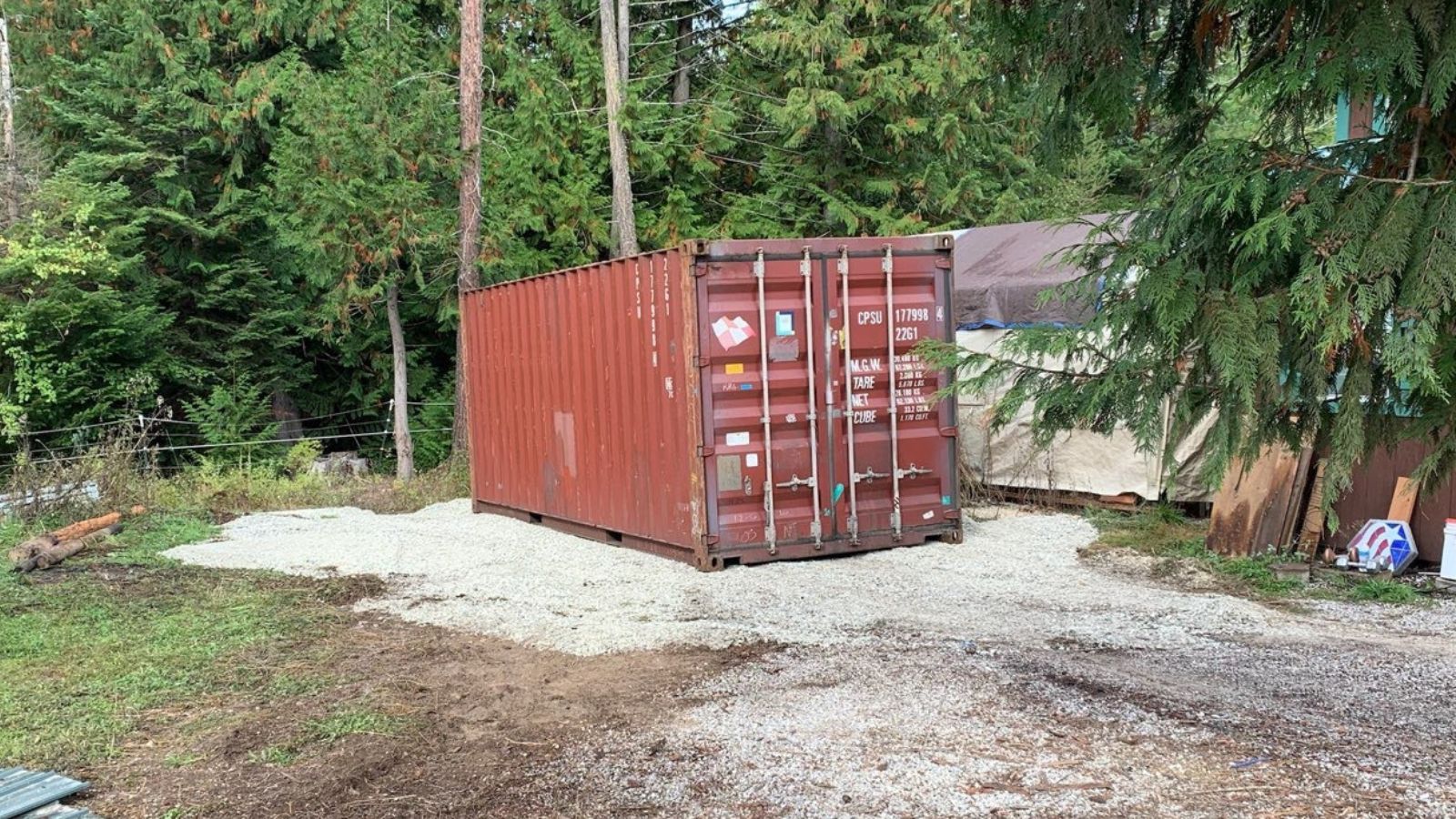
No Kansas or Missouri statewide law governs storage containers on private property — every one of the metro's dozens of municipalities writes its own rules. But deliver enough boxes and the pattern gets predictable: short-term project containers on private property are broadly tolerated; anything visible and permanent triggers accessory-structure zoning; street placement needs city permission almost everywhere; and strictness correlates with lot values. Here's how that plays across the map — as guidance, not legal advice, because codes change and zoning desks have the final word.
The friendliest category. A box on your own driveway while the kitchen is torn open reads as construction activity, and most metro cities allow it without a permit for a bounded window — 30 days is the common figure, renewable in some codes. Two practical tips: keep it fully on private property (an inch into the right-of-way changes everything), and when the project runs long, a rental with a scheduled pickup is cleaner evidence of "temporary" than a purchased box with no end date.
A container that stays becomes an accessory structure: expect setback minimums (5–10 ft from lot lines is typical), occasional square-footage caps, and in the appearance-focused Johnson County suburbs, screening or paint expectations — one reason one-trip units smooth approvals in Leawood, Prairie Village, and Overland Park. Swing rural — unincorporated Cass, Platte, Leavenworth, and Miami County — and agricultural placement is often barely regulated at all. Industrial zones treat containers as routine yard equipment everywhere.
Putting a box on public pavement is the strictest category metro-wide and usually needs a right-of-way or obstruction permit where it's possible at all. Honest advice: driveway and lot placements are so much simpler that we treat street drops as a last resort, and we'll say so when your site forces the question.
Before a long-term placement, call your city's planning or codes line and ask two questions: "Do storage containers on residential property require anything from me?" and "What setbacks apply to accessory structures on my lot?" Write down the answer and the date. That call costs nothing and outranks every guide on the internet — including this one. When you order, tell us your city and we'll share what we've seen work at recent deliveries there; our town pages carry the local notes.
Across most of the metro, a container on your own driveway during active work is tolerated without paperwork for a limited window — commonly 30 days, sometimes renewable. The clock and the enforcement appetite vary by city; Johnson County suburbs watch closest.
Then it's an accessory structure in zoning terms: setback minimums from lot lines, sometimes size caps or screening requirements, occasionally a permit. Rural and agricultural parcels are the permissive end; Leawood and Prairie Village are the strict end.
Not by state — by municipality. KCMO, Independence, and Lee's Summit each write their own code, as do Overland Park, Olathe, and Shawnee. The two-state metro means checking your specific city, and it's a ten-minute call to the zoning desk.
Code letters happen — usually to the box that outstayed a 'temporary' story — and the response matters more than the scare. Metro violations are cure-oriented: the letter names a compliance window, and compliance means relocation to a conforming spot (rear yard, proper setbacks), removal, or filing the accessory paperwork that should've been filed first. Panic-selling is almost never necessary. Our repositioning service handles conforming moves in a morning; genuine removals can end in a buyback quote rather than a fire sale. And the prevention remains comically cheap: the ten-minute zoning call, made before delivery, that this page keeps recommending. Cities reward the residents who asked first — it's the entire social contract of code enforcement.